Women Restarting
From emergency to enterprise
For over forty years, Afghanistan has endured chronic insecurity, frequent climate-related disasters and recurring conflict, all of which have progressively weakened its economic and social fabric, culminating in one of the most significant forced displacement crises in the world today.
According to data published by UNHCR, the number of internally displaced persons (IDPs) in Afghanistan reached approximately 3.2 million in 2025. This figure has been compounded by a growing number of Afghans forcibly returning from Iran and Pakistan, following stricter migration policies and deteriorating regional relations. These mass returns have placed additional strain on already fragile communities, essential services, and informal labor markets.
The impact on women and girls
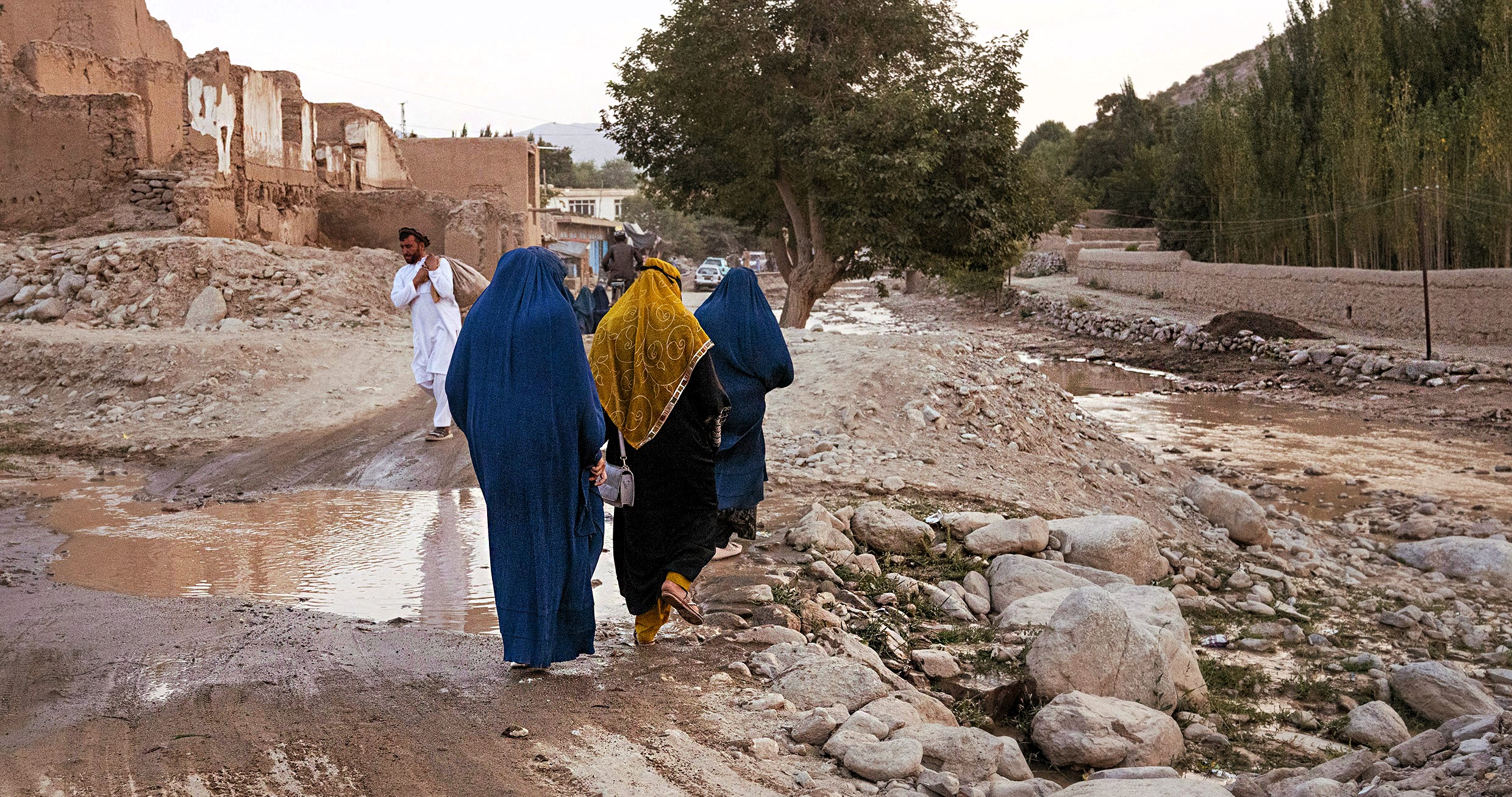
Due to cultural taboos and restrictions imposed by the Taliban authorities, Afghan women face extreme difficulties in accessing even essential services, such as healthcare and humanitarian assistance. Internally displaced and returnee women are among the most exposed. Often lacking a stable source of income, safe housing, and, in many cases, identity documents, many can survive only through the informal solidarity of relatives or strangers, leaving them highly vulnerable to exploitation, exclusion, and violence.
In collaboration with the Afghan organization Harakat, NOVE implemented Women Restarting project in Kabul and Jalalabad to promote the socioeconomic independence of 50 women, roughly half of whom are internally displaced and the rest returnees.
The project expanded employment opportunities for all the women involved, offering a structured training program in small-business management, basic finance, and marketing, aimed at launching or strengthening women-led SMEs (Small and Medium Enterprises) centered on sustainable economic activities.
At the end of the three-month training courses, the women presented their business plans to a Commission composed of representatives of the local Women’s Chamber of Commerce, NOVE, Harakat, and other local stakeholders. The 30 proposals judged most solid and promising received technical and financial support of 2,100 USD each, along with a three-month individual coaching program that helped the beneficiaries overcome initial challenges and consolidate their businesses.